
Manager? -------- want to be a manager?
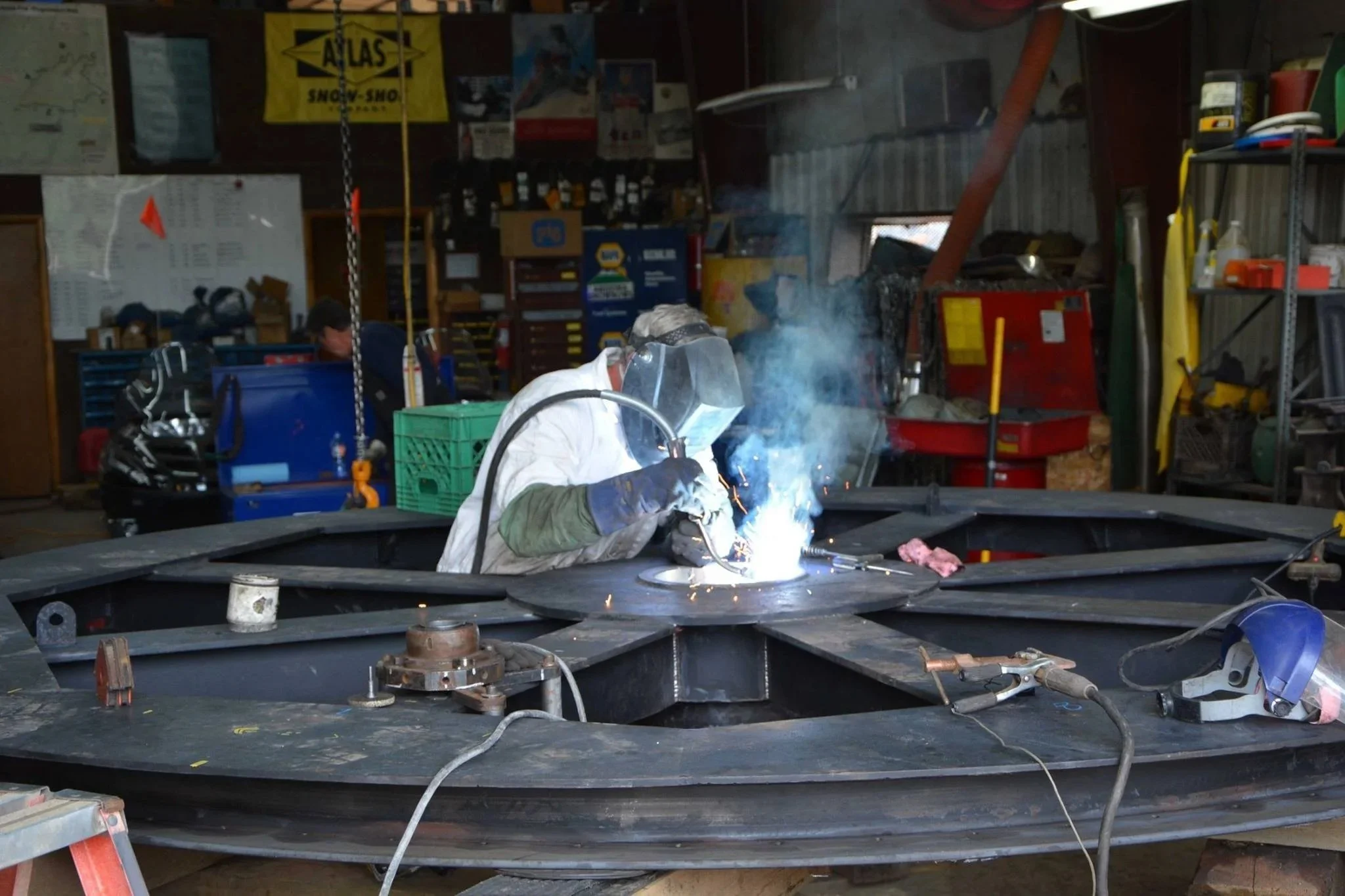
Ah – the ongoing desire to be the department manager. Why? Are you the best mechanic? Do you know more about lifts, snowmaking, and grooming than everyone else in the department? Does that qualify you to be a manager?
It is not uncommon for the most skilled technicians in trade-type departments, such as lift maintenance, snowmaking, and vehicle maintenance, to be promoted to manager. I’ve done it, more than once, but is that the best decision? Experience and reading suggest it probably isn't. I am not alone in making this declaration. Working with machinery is different than working with people.
If you want to manage, that means managing people, I have some simple questions that you need to answer honestly for yourself. If you are already in a management role, you should also answer the questions and make the adjustments needed to become a better manager.
The first is – Do you care about people? This means are you prepared to really care about the people who work for you. No more making disparaging remarks about the knuckle head who swings chairs for you on # 6 lift. Do you understand that you should invest the time to find out the interests of your staff, how they spend their spare time, or where they are in their lives? This is knowing your staff.
2nd – Are you prepared to coach your staff so that everyone understands who their work impacts and how? You have to ask yourself this question relative to your work as well. This is something that I know is lacking. Yes, in orientation, the message about guest service is communicated, but there has to be a clear understanding by a dishwasher, a housekeeper, or a snowmaker of how their work directly impacts a specific person. It could be you, as their work is a direct reflection of how you manage.
3rd – Do you understand how to assess their work so that they can measure their own progress or success? They have to be able to see how their job matters. This isn’t about finances or survey results. (Although they will improve if what is described here is part of the culture of the ski area.) This is, after each shift, they can reflect and say to themselves, “I only had 2 stops on my lift today, the company goal is 5, or I cleaned 10 rooms, and I am only targeted for 8”. This immediate feedback is enormous in creating a positive atmosphere. The target is to have every lifty wanting to come to work on time every day, regardless if it is a powder day, or better yet, have him/her show up on a powder day.
This may seem silly or a bit touchy-feely, but it isn’t when you stop and think about it. If you don’t care about the people who work for you, they don’t know who the job impacts, and they have no set metric to determine whether they are doing a good job, then I argue it is a miserable job. The consequences of a miserable job(s) are obvious but we in the ski industry need to do as much as we can to eliminate the miserable jobs.
If you invest in the three easy steps outlined, you can have people who care about what they do and want to be even better. I am not going to name names, but there are ski areas that have achieved this culture, and regrettably, there are way too many that haven’t.
The challenge ahead of you, if you are contemplating being a manager, is to do the self-assessment that has a positive answer of I will invest the time to follow these 3 steps. If you are a manager now, if you are doing these 3 things, then hats off to you and a pat on the back. If you are not, are you willing to make changes in your schedule to invest the time to do so? Good management of your people is the most important thing you do; swinging the wrench yourself isn’t. This can be very hard for someone who came up through the ranks and swings the wrench very well.
To complete the picture, your boss and his/her boss have to do the same and buy into the philosophy of no miserable jobs.
(The basic philosophy on no miserable jobs comes from the writings of Patrick Lencioni)