
Beyond the Epic Pass: Can Vail Resorts Pivot to Guest Experience?
As Rob Katz returns to the helm, the industry is watching. Is the "Epic Experience" blueprint a genuine course correction, or just a new coat of paint on a rigid financial model?
It is the industry story of the summer: Epic Pass sales have cooled, executive leadership has shifted, and Rob Katz—the architect of Vail Resorts’ modern era—is back in the CEO chair to steady the ship.
My interest in this transition was piqued by Stuart Winchester’s July 14, 2026, post in The Storm Skiing Journal and Podcast, titled “Vail Resorts to Skiers: Experience Matters — About Time.” It’s a sentiment that resonates across the industry. With a vast portfolio of 42 mountains, Vail boasts impressive infrastructure and a deep bench of talented staff. But as the company rolls out its new "Epic Experience" blueprint, the central question remains: Can a massive, publicly traded conglomerate successfully pivot to prioritize the granular details of the guest experience?
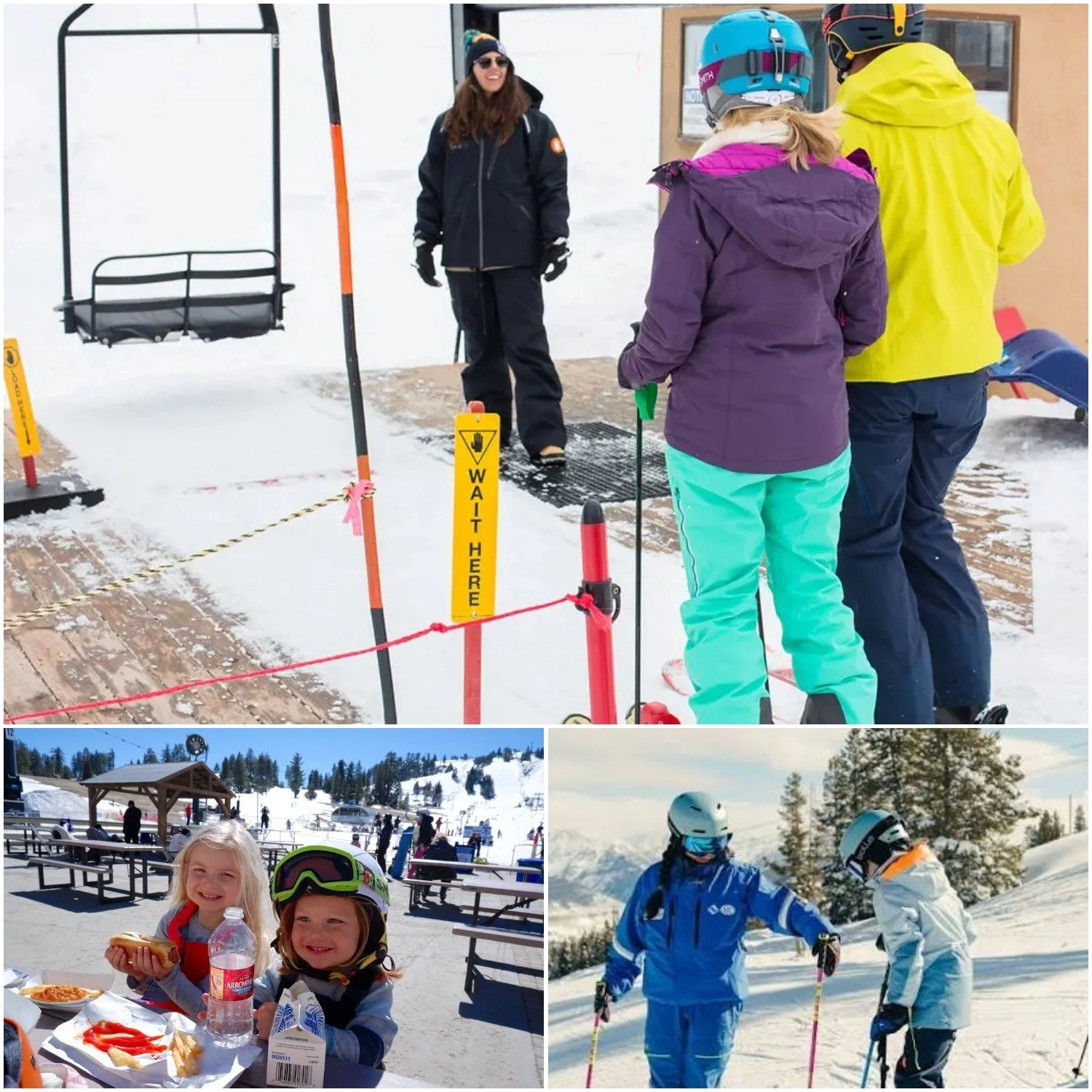
The new plan is anchored by five stated priorities: better food, better rentals, better lessons, better talent, and better guest engagement. It is a noble list, but I would collapse those five pillars into a single, simpler objective: Deliver a better guest experience.
In my view, however, this pivot faces two systemic hurdles that no marketing blueprint can easily erase: the relentless pressures of public-market expectations and the limitations of centralized management.
The Weight of Public Expectations
Vail Resorts offers an outstanding product, but it does so under the heavy burden of being a publicly traded entity. While private operators have the luxury of playing the long game, Vail must satisfy investors quarter by quarter. This creates a structural tension between delivering immediate financial returns and reinvesting in the product.

Consider the numbers: In 2024, the company directed more than half a billion dollars toward stock buybacks and dividends. These funds, ultimately, are generated by the skiers and riders who visit their mountains. Until the capital allocation strategy shifts—favoring long-term operational health over short-term shareholder payouts—it is difficult to imagine how the company can meaningfully fund the "Epic Experience" without passing the costs on to the consumer.
The Distance of Centralization
The second challenge is operational. Managed from headquarters in Broomfield, Colorado, the company is often led by executives who may lack the deep, hill-level operational experience required to understand the nuances of a ski resort.
When management is centralized, it becomes increasingly difficult to respond to local conditions or unique guest needs. A ski area’s soul isn't built in a boardroom or an app; it is forged on the hill, in the daily interactions between staff and guests. Too often, when I talk to staff at Vail-owned mountains, the refrain is, “This is how we have to do it because corporate wants it this way.” That kind of rigid, top-down instruction is the enemy of a great guest experience.
Can the New Strategy Deliver?
Mr. Katz deserves credit for recognizing that the Epic Pass model has matured. It was a brilliant, value-driven disruption when it launched, but in a world of mounting competition and the post-COVID operational strain, it is no longer the sole differentiator.
However, I am skeptical that the current "Epic Experience" initiatives will yield the promised results without significant price hikes:
Food: Existing offerings are already solid. My fear is that "better food" translates to "fancier, higher-priced food," which appeals to high-end guests rather than the general skiing public.
Rentals: What guests need isn't just "diverse offerings"—it’s better service and staff latitude. Without lower pricing or bundled benefits, incremental operational changes won’t move the needle on skier visits.
Lessons: The variable here is the instructor. Without a massive reinvestment in instructor training and compensation, we won’t see meaningful improvements.
Talent: Vail’s front-line employees are already talented. The opportunity here is to empower them. Investing in their training—and giving them the autonomy to serve guests without navigating corporate red tape—would do more for the "vibe" than any new app feature.
The Path Forward
Mr. Katz has characterized Vail Resorts as a technology company, but he would be wise to remember that it is, at its core, a hospitality business with a heavy accent on skiing.
If Vail Resorts is serious about regaining lost visits, the solution shouldn't just be a new slogan. It should be a fundamental shift in strategy: reduce stock buybacks and dividends, free up that capital for the front line, and return control to the local mountain leaders who understand their guests best.
The strategy is clear. Now, the question is whether Vail Resorts has the stomach to pay the price—in operational flexibility and financial discipline—to actually deliver it.