
Snowmaking - Full-TIME ATTENION
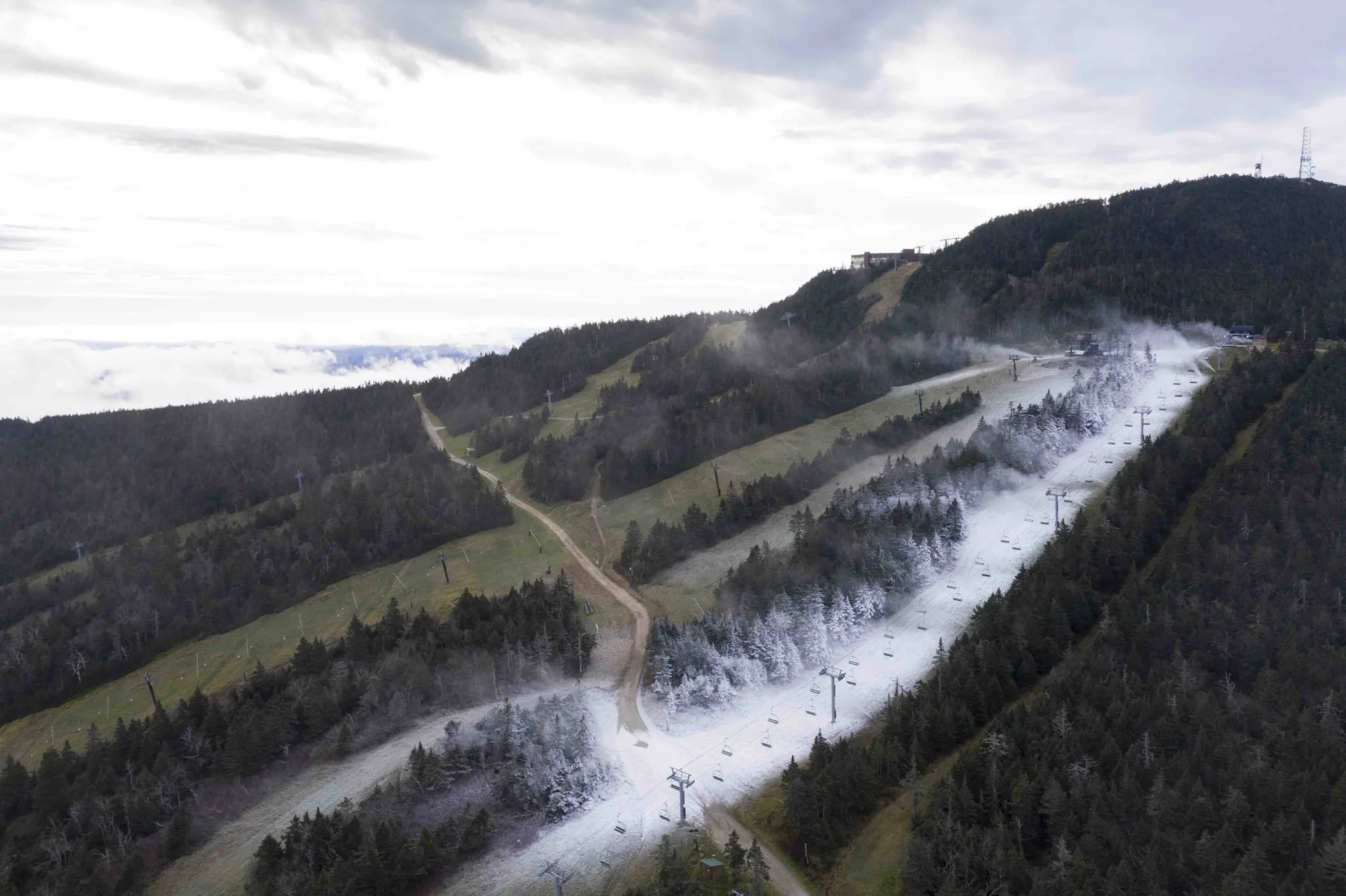
An article in SAM from the November 2025 issue got my attention. It is a well-written article by Josh Laskin titled “GO TIME: EARLY SEASON SNOWMAKING”.
In summary, for those who haven't read the article: It discusses early-season snowmaking strategies at various U.S. ski resorts and their approaches to winter operations. It highlights the efforts at Copper Mountain, where a significant push was made to prepare for the U.S. Ski Team's training, emphasizing the importance of timely infrastructure and snow production. Resorts prioritize snowmaking based on factors like weather, events, and financial goals, as seen at Sunday River, which invests heavily in snowmaking systems to open earlier and attract more visitors. Boler Mountain focuses on maximizing operations despite limited resources, utilizing automation to make the most of brief cold spells. Greek Peak tailors its snowmaking plans based on weather conditions to ensure essential trails are ready. Long-term investments in infrastructure, like those at Marquette Mountain, aim to enhance early-season openings and operational efficiency. The overall theme highlights the importance of strategic planning and adaptability in achieving successful early-season ski conditions.
The article outlines several strategic planning points for early-season snowmaking at ski resorts, including:
1. Prioritization of Trails: Ski resorts establish priorities based on their goals, such as opening training events or maximizing visitor capacity. Factors include climate conditions, lodging availability, and scheduled events.
2. Infrastructure Investments: Upgrading snowmaking infrastructure, such as installing new hydrants, pipes, and fan guns, plays a critical role in enhancing snow production capabilities. This allows resorts to open more terrain sooner.
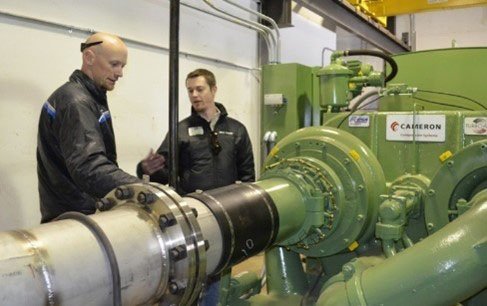
3. Automation and Efficiency: The implementation of automated snowmaking systems enables resorts to react quickly to favorable weather conditions and maximize productivity during narrow cold windows.
4. Adaptability to Weather: Resorts must be flexible in their snowmaking plans to pivot based on unexpected weather changes, allowing them to focus resources where they will be most effective.
5. Long-Term Planning: Finding ways to enhance snowmaking capacity and efficiency in a manner that supports future ambitions. For example, staging snowmaking equipment in advance and planning infrastructure improvements over multiple years.
6. Optimizing Water Flow: Having booster stations and frost-free pipe systems can help improve the efficiency of snow production by allowing quicker system charging and maximizing flow rates.
I have no argument with the article's points, and the title implies that early snowmaking is the focus. However, I would argue that snowmaking, whether we like it or not, is now a full-season priority. The ski industry must step up and recognize this and address it, not next November but now, in planning for the next season and the future. Like all problems I try to address, I ask why – so why is it important to look at snowmaking as a full-season priority? This is the why:
1. Given the variable weather across North America, skiing is not sustainable for the full season with natural snow or even the manmade snow made in November and December. For instance, in 2015 and 2017, several ski resorts in Colorado and California experienced early closures due to insufficient snowfall, highlighting the unpredictability of recent winters. While some regions may still enjoy consistent snowfall or benefit from advanced snowmaking technology, the overall trend across North America points to increasing challenges for sustaining full-season skiing. I know this will be debated and argued, but I encourage looking at historical weather patterns and snow depletion events over the last decade before we argue.
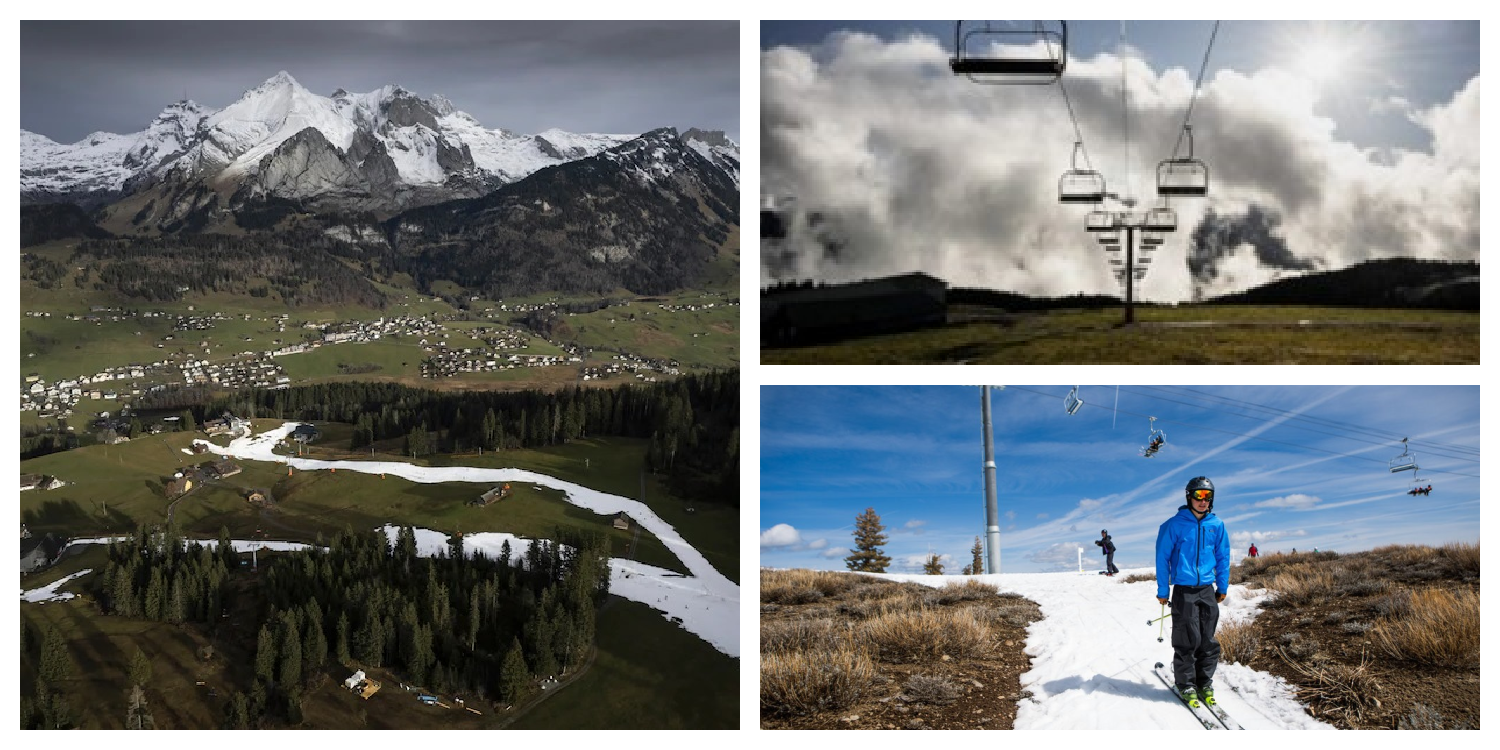
2. To engage the skiing base, good conditions need to be available on a full-season basis. Revenue streams need to continue throughout the season.
Next step would be the how. What does a ski area need to do to put in place a strategic plan to have a full-season snowmaking plan?
1. The first step involves reviewing the current snowmaking plan, as to how it covers many of the topics discussed in Mr. Laskin's article.
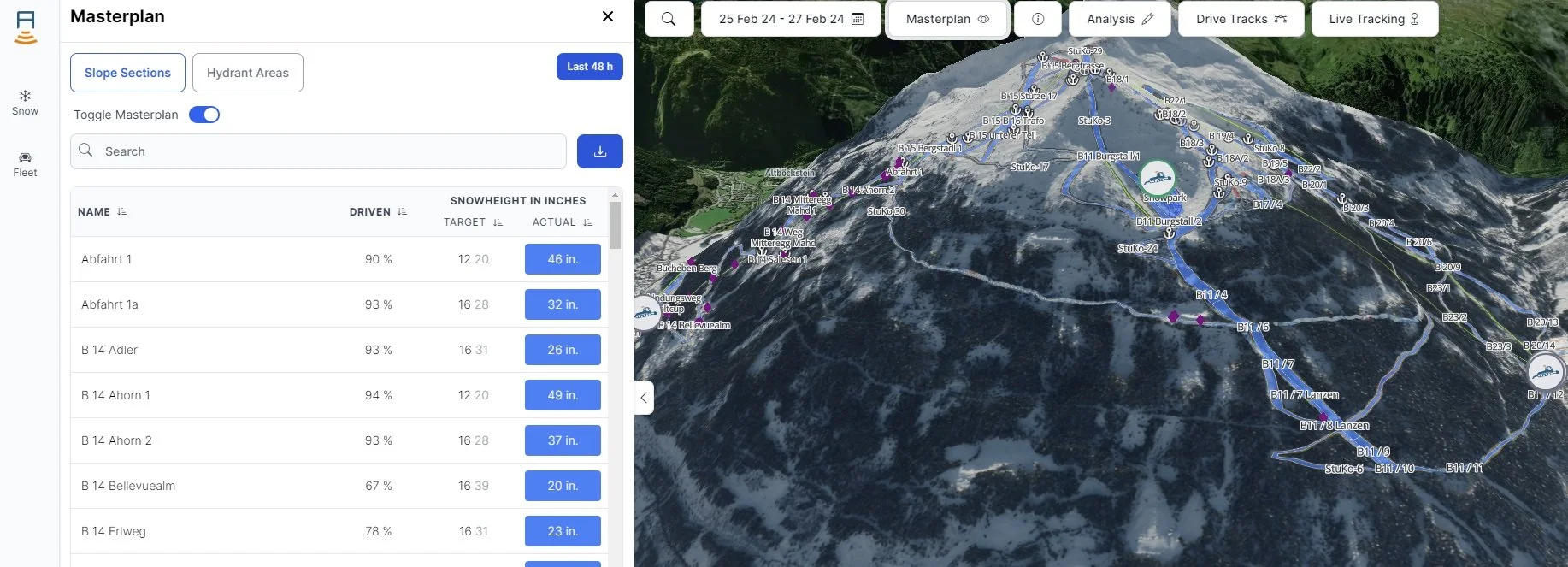
2. Make a snowmaking master plan. This would again include many of the points in Mr. Laskin’s article. However, the plan would be very definitive in establishing the minimum snow heights necessary to open trails, as well as the estimated maximum snow depths required for good trail coverage until the season's end. This will require historical weather data and snow depth measurements that correlate with it. Probably something most ski areas don’t have.
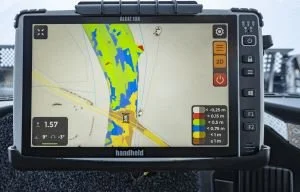
3. To manage the snow, you need to know how much you have across your trail network. See my article on You Can’t Manage What You Don’t Measure. Correlating this information with your snowmaking system can help you understand the effects of weather, both positive and negative, as well as skier traffic by trail, in the current year.
Finally, an assessment of what is needed to make the snowmaking master plan doable is needed. This can be overwhelming as you might be discouraged by the breadth of need and the cost. Remember, Rome wasn’t built in a day. Prioritize your needs by what is needed now, providing the most impactful gain, and identify each need by its gain, meeting the plan season by season.
Examine your existing snowmaking procedures to ensure the greatest efficiency and return on your snowmaking resource allocation. Is the resort making the best use of what it has in any given system? Remember that it is the quality of the skiing surface that counts and keeps the skiers coming back.